Four Significant Community Takeaways From State Of The Word 2021

Wanna know a secret? This is the first State of the Word that I’ve ever really paid attention to.
In the past, it’s always been the final event to a long WordCamp US where I find myself fairly mushy brained from a steady stream of conversations and am generally barely able to stay awake in my chair.
But this year was different for a number of reasons.
This year attending State of the Word meant:
- traveling during a pandemic
- losing a week of holiday with the family
- being a responsible community journalist
- representing our sponsor, Nexcess, effectively
Each of these brought a weight of responsibility that had me reaching back into my college days for a physical notebook – a Rocketbook – and taking actual written notes at the event. Not gonna lie, it was a bit exhilarating.
While the act of being an on-site journalist got me engaged, the content kept me hooked.
A Quick State of the Word Walkthrough
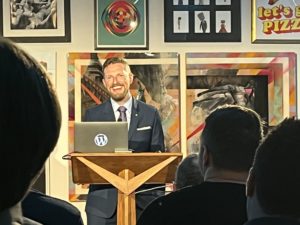
This year’s presentation had a lot to be excited about. Here’s an easy way to skim through the presentation.
Part 1: Looking Back
- 8 new core committers
- Update coming to the WordPress.org/News page (I didn’t even know WordPress HAD a news page!)
- Openverse, a CC0 way to contribute open content for community use across the entire internet
- Pattern Directory, a non-code way for community members to contribute
- Polyglots
- 76% increase in language packs in core
- 28% increase in active translators
- Education
- Diverse Speaker Program: check out its Diverse Speaker Training Group (#WPDiversity) 2021 Year-End Report
- Learn.WP.Org: see the new training opportunities straight from WordPress.org itself
- WordPress now powers 43% of the Web
- Continues to pull new users from the “None” category which is made up of the not discernable content management system category, or custom CMSs
- The other GPL systems continue to fade
- Continued work on security
- Gutenberg growth that improves the user experience
- Now have 28 block-based themes
- Easier to manage Widgets with blocks
- Query Loop Block allows you to grab groups of data and display it in one formatable block
- Block Navigator makes it massively easier to wrangle the blocks on a page
- The Duotone filter gives you new options for editing images and styling a page right in WordPress
- Fully responsive themes created with just blocks
Part 2: What’s Happening Outside of WordPress
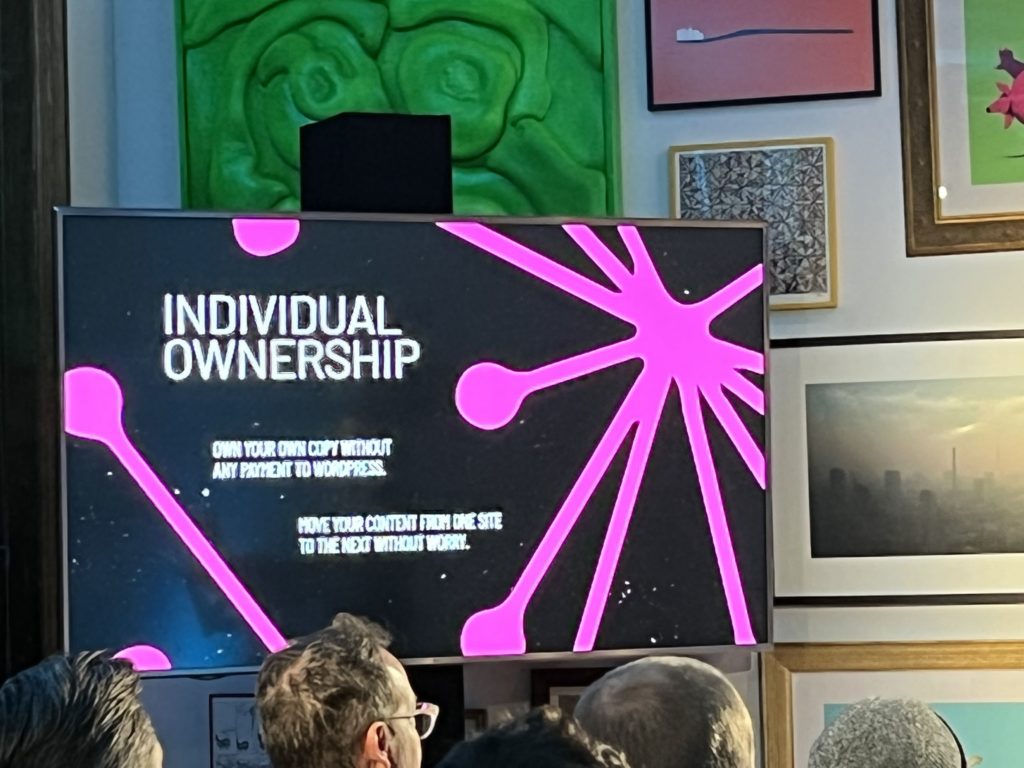
- Web3, no one knows how to define it
- A move to individual content ownership and decentralization
- Caution: watch for things that aren’t really open
- Acquisitions, we’ve seen a lot of those
- Mimics the trend in the broader tech landscape
- Isn’t unique to WordPress
- Matt says it’s a myth that larger companies have a larger impact and provided a graph.
Part 3: Stewardship for a Stronger Future
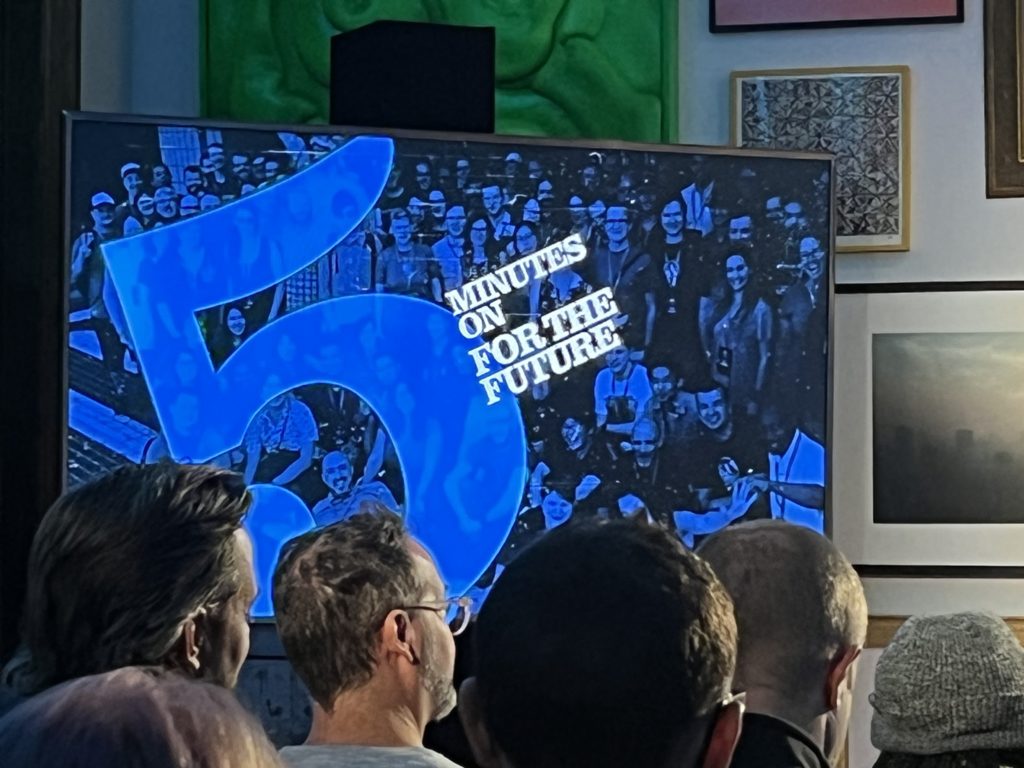
- Five for the Future
- Put 5% of what you make back into the project
- Resources need to be refreshed by everyone
- An imbalance leads to a lack of resources for the next generation
- Contributing positions you to be a part of the decision making
- A Reminder of the 4 Stages of Gutenberg
- Easier editing – 2018
- Customization – 2019
- Collaboration – 2023
- Multilingual – unknown
- New Ways to Contribute to WordPressaird
- Submitting block patterns
- Contributing to Openverse
- Sharing your WordPress story, with a shout out to the HeroPress project
- Participating in the return to in-person events
Part 4: Live Question and Answer
If you’re looking for a more indepth post, check out Courtney Robertson’s State of the Word 2021 recap, and watch the presentation for yourself on YouTube.
The Four Significant Community Takeaways
From a community perspective, this State of the Word had a lot to be excited about. And even more so for people like me who don’t enjoy the technical side of open source.
Personally, I love the possibilities that a platform like WordPress brings to people’s lives, but I really struggle to get excited to code. I can code, but it’s unfulfilling for me. I’ve been fortunate to find other ways to give back, and can’t wait to see the positive ways the new options discussed in the State of the Word will continue to grow the community.
However, if we want new opportunities, we have to embrace change, and when it seems like your livelihood is on the line, that can be really challenging.
WordPress is Continuing to Dramatically Evolve
If you’ve been in the community, this has been very obvious and not without controversy, largely around the impact to existing businesses. It’s a real and reasonable concern, but change is necessary.
Technology must adapt or it will die. It cannot stay the same. It becomes irrelevant and boring.
Does that mean you have to agree with the choices being made? No, it doesn’t. This is open source. You have the power at any point to fork WordPress and create your own solution with your own direction.
Is that an easy solution? No, it isn’t. But it’s one each of us has at any given time and it’s important that we don’t forget.
Regardless of how you feel about the changes, WordPress will continue to evolve. Prepare for it or find a platform that is a better fit for you.
Communities Need New Users
Much like the technology of WordPress will continue to evolve, the community also needs new people with new ideas.
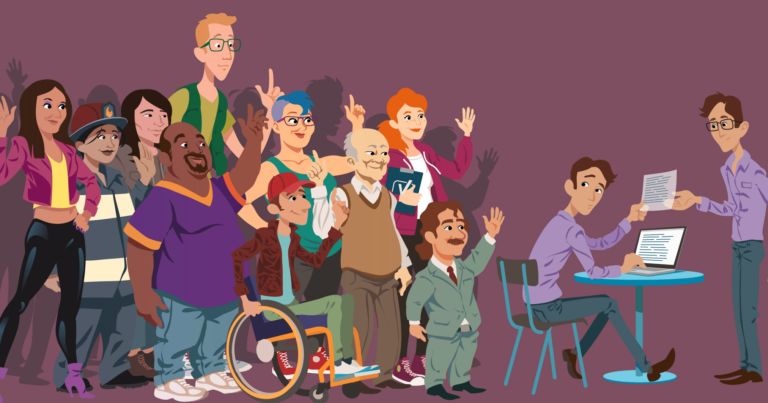
Diversity adds richness to the entire project keeping it fresh and relevant.
We need to foster an environment that welcomes different ages, skill sets, and interests if we want to continue to expand. If new users don’t see a way to get involved and give back, they’ll simply move on.
New projects in WordPress like Openverse are ideal for this.
These projects allow digital artists and photographers, just to name a few, to use the skills they already have to contribute and gain exposure for their skills.
While exposure doesn’t feed a family, it has a place in the life cycle of most successful ventures. Having the opportunity to be seen is empowering. It’s hard to build a future around a skill that no one comes in contact with.
Let’s create an environment where everyone can thrive.
If Everyone Gives a Little…
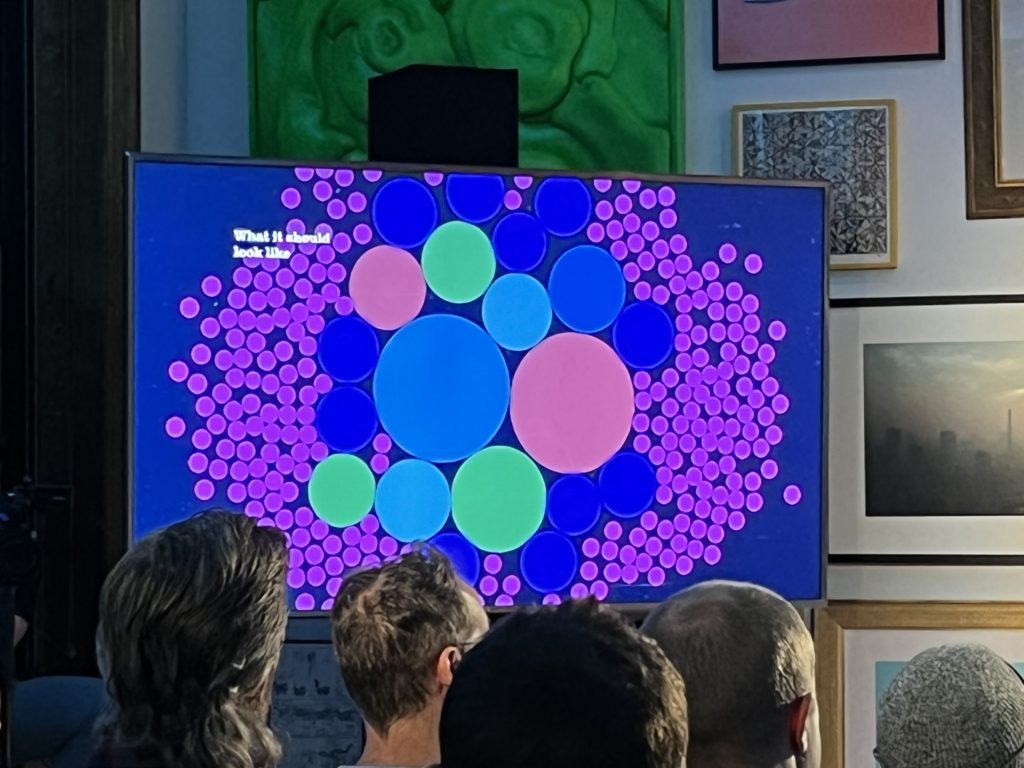
Matt’s use of the Commons analogy really hit home for us here at HeroPress. It’s a philosophy that we’ve built the Network around and something we think is at the core of open source.
For all that our community is a virtual one, it has common resources. If everyone contributes a little, then diversity is spread, more opinions have the opportunity to be heard, and the burden is lighter.
When you avoid giving back or participating in the community, you remove yourself from the equation. You’re not there for the conversations, you don’t see the changes from the beginning, and you lose out on opportunities, many of which are often vital relationships.
Beyond that though, if we don’t reinvest in the foundation of the community, it dies. Your business no longer has customers. All of the hard work and sacrifice you’ve put into your business is lost.
It can be hard when you’re a busy professional to remember the value of community, but without it where would you be?
Launching a Return to Live Events

Do in-person events matter?
It’s a very valid question. We’ve just spent 18 months proving that you can build community and host events virtually. These events have led to some creative innovation and boosted the overall accessibility of WordPress as it removes the barrier of travel.
I asked myself this as we discussed heading to State of the Word, a trip made easier by support from Nexcess.
The first two items on my list at the start of this article aren’t minor. We’ve been very cautious with our travel decisions during the pandemic and any lost family time this holiday season (our last one living together in the same house) can’t be gotten back.
But for us, the answer was yes, obviously.
In-person events have a very different energy and flow from virtual events. The face-to-face interaction and organic conversations just can’t be beat.
Being in a larger group allows for other perspectives to shift the conversation in ways you never would have thought to go. Other people’s experiences can adjust the direction you might ultimately choose to take.
That doesn’t mean there aren’t risks and logical precautions to take. Each person needs to choose for themselves and hopefully events will continue to be hybrids of in-person and virtual to provide a variety of options.
However, I’m glad that we could be on the leading edge of the return to in-person events and will continue to help test this process to help us all get back to in-person events sooner.
Want to see what other community members are saying, check out Michelle Frechette’s post, In-Person Events: The Good, The Bad, and The Fearful, on The WP Minute.
Overall Takeaway
The future of WordPress is creative collaboration. A hybrid system that allows new users to dabble and build, while allowing veterans to problem solve and innovate.
That’s also where this all started: being able to blog without having to know code. We’ve simply broadened the spiral, or ecosystem, to include even more creatives and professionals. Like all things, it has its pain points, but their necessary pain points for a healthy future.
Featured image by John Cameron on Unsplash, All others by Topher DeRosia